
Geoengineering: Exploring Large-Scale Solutions to Climate Change
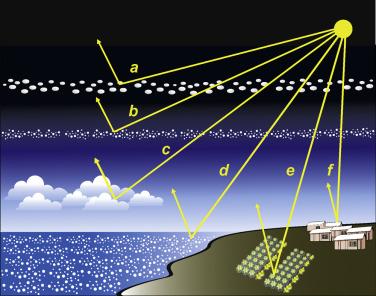
Geoengineering refers to a set of large-scale scientific and technological interventions designed to deliberately alter Earth’s climate system in order to counteract the effects of climate change. As global temperatures rise and extreme weather events become more frequent, geoengineering has emerged as a topic of increasing interest among scientists, policymakers, and environmental organizations. Rather than replacing traditional climate mitigation efforts such as reducing greenhouse gas emissions, geoengineering is often discussed as a complementary approach that could help manage climate risks if current strategies prove insufficient.
One of the main categories of geoengineering is solar radiation management (SRM), which aims to reflect a small portion of sunlight back into space to cool the planet. Techniques under this category include stratospheric aerosol injection, where reflective particles are released into the upper atmosphere, and marine cloud brightening, which increases the reflectivity of clouds over oceans. These methods are inspired by natural phenomena such as volcanic eruptions, which have historically caused temporary global cooling. While SRM could potentially reduce temperatures relatively quickly, it does not address the root cause of climate change, namely the accumulation of greenhouse gases.
Another major category is carbon dioxide removal (CDR), which focuses on extracting carbon dioxide from the atmosphere and storing it for long periods. Approaches include afforestation and reforestation, direct air capture technologies, bioenergy with carbon capture and storage (BECCS), and enhanced weathering of minerals. CDR methods are generally viewed as more sustainable in the long term because they directly reduce atmospheric carbon levels. However, many of these technologies are still in early stages of development and face challenges related to cost, scalability, and environmental impact.
Despite its potential benefits, geoengineering raises significant ethical, environmental, and governance concerns. Large-scale climate interventions could have unintended consequences, such as altering rainfall patterns, affecting ecosystems, or creating geopolitical tensions between countries. There are also questions about who would control geoengineering technologies and how decisions would be made on a global scale. Critics worry that the promise of geoengineering could reduce the urgency to cut emissions, leading to greater reliance on unproven technologies rather than sustainable solutions.
Research and debate around geoengineering continue to grow as the climate crisis intensifies. Many experts emphasize the importance of cautious, transparent, and internationally coordinated research to better understand the risks and benefits involved. Geoengineering is not a silver bullet for climate change, but it represents a complex and evolving field that could play a role in future climate strategies. Ultimately, any consideration of geoengineering must be accompanied by strong commitments to emission reductions, environmental protection, and global cooperation.

 English